
Is It Time to Decide About Hail Damage Roofs in Services?
College Station Roofers talks through the repair-or-replace choice with the evidence in front of the homeowner; honest advice is the starting point for any good plan.
Call 979-464-6655; describe the stains, leaks or missing shingles that worried you.
Repair or Replace: How the Choice Works
Almost every roof problem leads to the same fork in the road: fix the trouble spot or start over with a new surface; the goal is a dry house, and either path can get there. The right choice balances what is wrong, how much of the roof it affects and how much life remains; a replacement is the better choice when repairs would only chase the next failure.
Visible Clues From the Yard
Cracked, split or blistered shingles point to a surface that has been baked by many summers; the surface shows its age long before the leaks arrive. A musty smell in the attic points to moisture that has been collecting for some time; looking from inside and outside gives the full picture.
The Places Water Finds First
Flashing around chimneys, walls and skylights is a common source of leaks on roofs of every age; the details are small and the consequences can be large. A small detail failure on a young roof is a repair, not a reason to replace; a repair is a fair solution when it solves the real problem.
Sun, Seasons and Wear Over Time
Every roof material has a typical working life, but local weather can shorten or extend it; the roof on the house tells more than a number on a brochure. If a repair would last only a season or two, replacement may be the more sensible plan; patching an aging roof is a bit like patching a worn tire.
Hail, Wind and Fallen Limbs
Hail bruises, lifted shingles and broken limbs may not show from the ground, so a roof inspection is worthwhile; damage can hide in places that are hard to see from the yard. When hail has bruised most of the surface, replacement is often the more durable path; storm damage can be anywhere from minor to complete.
When Only One Slope Needs Work
Additions, porch roofs and garage roofs are often replaced separately from the main roof; a slope can be replaced cleanly when the work is planned well. A partial job leaves the older sections to wear out on their own schedule; looks and durability are both part of the decision.
Inside a Typical Roof Repair
Replacing broken shingles, resealing tabs and redoing flashing are everyday repair tasks; finding the cause is the most important step. Mismatched materials, mismatched fasteners and mismatched techniques lead to repeat failures; quality materials and methods make repairs last.
Inside a Roof Replacement
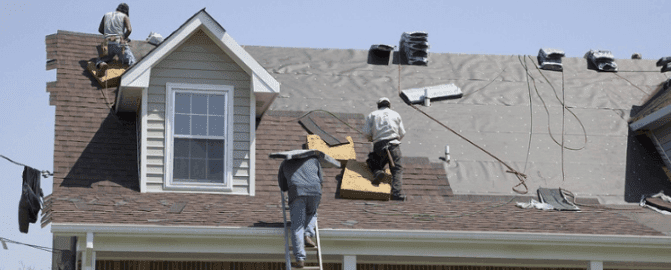
A replacement project usually takes a few days, and the crew works through a set sequence from tear-off to cleanup; a fresh roof is a clean slate for the house. The decision to replace is easier when the deck is sound and the roof has simply worn out; the decision is easier with clear information.
Flat, Metal and Specialty Roofs
On a metal roof, loose fasteners and failed seals can often be corrected without replacing the panels; the condition of the layers beneath decides the matter.
When to Act and When to Wait
Temporary measures such as tarps are available while a larger decision is being made; time to plan is a real advantage when a roof is not leaking. A roof checked before storm season gives the owner a chance to fix small things early; good timing is one of the easiest advantages to gain.
Rentals, Landlords and Remote Ownership
For a rental, the plan should also cover how tenants will be notified and how access will work; clear communication prevents misunderstandings across miles.
Looking at the Roof From Underneath
After a hard rain, a quick check of the attic can catch a leak before the ceiling shows it; a quick look from inside saves guesswork outside. Widespread staining across many sections suggests that the whole roof has been letting water through; wood condition is one of the strongest clues in the decision.
Oaks, Pecans and the Roof Below
Wet leaf litter in valleys and behind chimneys holds moisture against the roof and encourages decay; trimming back branches protects the roof in every season.
Photos and Notes That Help
Keep a simple record of when the roof was installed, if that information is known; a small file of information can save a long discussion.
Planning the Household Around the Work
A replacement brings several days of activity, including noise from tear-off and the steady rhythm of hammers; good communication matters as much as good workmanship.
Appearance and the Decision
Patches in a different shade can stand out against an older roof, which matters to some owners more than others; looks and function work together on a good roof.
A Maintenance Mindset
Trimming trees, removing debris and cleaning off moss slow the wear on a roof; steady care is the simplest way to postpone a big project.
Temporary Fixes and Their Limits
A stopgap repair is meant to protect the house, not to stand in for a lasting solution; protecting the interior comes first and the permanent plan second. Roofing cement slathered on a failing spot can hide a problem rather than solve it; a lasting fix addresses the cause and not just the symptom.
Getting a Second Look
A second visit can confirm a diagnosis or point to something the first look missed; seeking another view is a sign of care and not of distrust.
Looking From the Ground Is Enough to Start
A roofer has the equipment and the training to move safely on a roof that a homeowner should not climb; safe observation gathers plenty of evidence.
Making the Decision With Confidence
Ask what evidence on the roof supports the recommendation, and ask to see it; confidence comes from understanding the reasons.
Whether the roof needs a patch or a new start, the best decision is the one based on what the roof is actually showing. Ask our crew about Hail Damage Roofs anywhere in Services; questions are always welcome.
Reach our office at 979-464-6655 to set up a visit; we will go over the evidence and lay out the options plainly.