
Patch or Replace for Asphalt Roof Replacement in Services?
College Station Roofers would rather say a roof can be saved than sell a replacement it does not need; a fair assessment starts with a careful look.
Reach our office at 979-464-6655; describe the stains, leaks or missing shingles that worried you.
Two Paths for a Troubled Roof
Whenever a roof shows trouble, there are two honest paths: repair what is wrong or replace the whole surface; neither path is automatically right. Replacement makes sense when the problems are widespread or the whole surface is worn out; a clear-eyed look at the roof prevents both overspending and underspending.
Curling, Cracking and Granule Loss
Shingles that are missing, lifted or lying in the yard are an obvious sign that something has let go; widespread wear leans toward replacement. Daylight visible through the roof boards in the attic means the roof has an opening somewhere; a flashlight and ten minutes can say more than a guess from the yard.
Flashing, Vents and Valley Metal
Most leaks begin at roof details, not in the open field of the roof; fixing the detail fixes the leak when the rest of the roof is healthy. A small detail failure on a young roof is a repair, not a reason to replace; the roof does not have to be replaced because one part has failed.
Judging a Roof by Its Condition and Its Age
A roof that has simply worked for a long time may be near the end of its service whatever the repairs show; the roof on the house tells more than a number on a brochure. A roof that needs patching again and again is telling the owner something; patching an aging roof is a bit like patching a worn tire.
Hail, Wind and Fallen Limbs
A tarp over an open section buys time and prevents interior damage while decisions are made; temporary protection is quick and keeps options open. A tree through the roof requires deck repair and often a larger section of new roofing; a documented inspection helps everyone make a sound decision.
Middle Paths Between Patch and Full Replacement
The south and west slopes take the most sun, so they often wear out before the north and east slopes do; a slope can be replaced cleanly when the work is planned well. Even identical products show a difference between a fresh slope and a weathered one; looks and durability are both part of the decision.
Fixing a Roof the Right Way
Water can travel along rafters and decking before it shows up inside, so the leak and the stain are often apart; the cause and the symptom live in different places. Roofing cement alone is a short-term fix, while proper flashing and sealed shingles are lasting ones; documentation helps the homeowner trust the work.
Inside a Roof Replacement
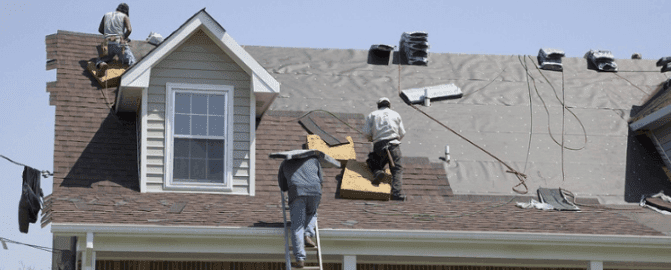
A full replacement removes the old roofing, repairs the deck as needed and installs new underlayment, flashing and surface; a full replacement is a project worth planning carefully. The decision to replace is easier when the deck is sound and the roof has simply worn out; a well-planned replacement pays off over a long stretch of seasons.
Metal, Membrane and Tile Questions
Each roofing material has its own signs of age, and each has its own repair options; a roofer familiar with the material gives the best guidance.
Planning a Roof Project Around the Calendar
Scheduling work outside the busiest storm weeks leaves more choices open; time to plan is a real advantage when a roof is not leaking. Roofs that were stressed by summer heat show their weak points clearly by autumn; an early start avoids the rush.
Roof Decisions for Investment Properties
A landlord weighing a repair against a replacement can ask for both options in writing, with the reasons; clear communication prevents misunderstandings across miles.
The Attic Never Lies
On a dry day, a flashlight in the attic can show dark stains on the underside of the roof deck; the underside of a roof is as honest as the top. Widespread staining across many sections suggests that the whole roof has been letting water through; the attic tells the story the shingles cannot.
Oaks, Pecans and the Roof Below
Overhanging limbs scrape shingles in the wind and drop acorns, pecans and leaves onto the surface; a roof under trees needs a little extra attention.
Documenting the Roof Before You Decide
Save the dates of past repairs and any notes about materials used; a clear record helps a roofer understand the history.
Planning the Household Around the Work
A crew that tells the household what to expect each morning makes the project easier to live with; good communication matters as much as good workmanship.
Appearance and the Decision
A home that will soon be sold may benefit from a roof that looks and performs well; appearance is a fair part of the decision.
Small Habits That Stretch a Roof's Life
Clearing gutters and valleys each season keeps water moving and keeps moisture off the shingles; a roof that is looked after tends to last.
Tarps, Patches and Stopgaps
Emergency protection is a first step and gives the owner room to think clearly; quick action in the first hours limits the damage that follows. A temporary seal that keeps cracking is a sign that the area needs a proper repair or a larger plan; a quick patch can be a good tool in the right place.
When a Second Opinion Helps
When two roofers reach the same conclusion on their own, the owner can feel confident in the plan; a roof deserves a thorough look.
Looking From the Ground Is Enough to Start
A homeowner can learn a lot from the ground, using binoculars to look at ridges, valleys and flashing; sturdy binoculars are a safe and useful tool.
How to Get a Fair Recommendation
Ask what evidence on the roof supports the recommendation, and ask to see it; confidence comes from understanding the reasons.
Look closely, ask plainly and choose the path the evidence supports. Our team will help you weigh your options on Asphalt Roof Replacement near Services; questions are always welcome.
Call 979-464-6655 to talk through what you have noticed; our crew will climb up, inspect the roof and explain what they find.