
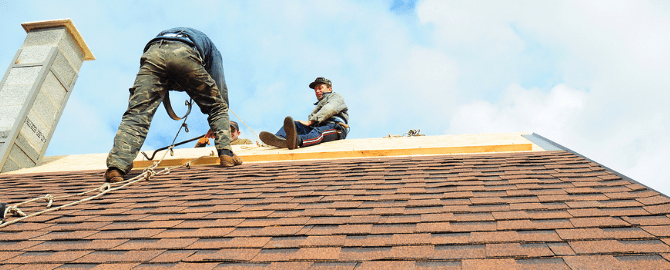
Looking Over Wind Damage Roofers Across Caldwell Texas?
College Station Roofers believes a roofing conversation should happen in the driveway and at the roofline, not behind a desk; the notes taken that day shape everything that follows.
Ring 979-464-6655; describe the house and the kind of roof you are living under.
Opening the Conversation With a Roofer
Ask who will be standing on your roof and who will be answering your calls; names and roles are easy to share when a crew is organized. Request a summary of what was seen on each slope, at each chimney and around each vent; a fair report leaves the homeowner better informed than before. It is sensible to ask how rotted boards or soft spots in the deck will be handled; no one enjoys a surprise in the middle of a job, so a plan for surprises helps.
Going Through a Proposal Together
A well-built scope reads like a checklist and not like a slogan; a checklist is easy to compare against finished work. Confirm the materials named on paper match what was shown during the visit; the label on the bundle should match the label in the proposal. A thorough scope mentions debris removal and a magnetic sweep of the lawn; mess is easy to prevent with a plan and hard to fix without one.
The People on Your Roof
The crew on a roof may belong to the company or to a trusted subcontractor; a straight answer should come without hesitation. It helps to know who is in charge when the truck pulls up in the morning; daily attention keeps standards steady from first bundle to last. On day one, a good roofer walks the property with the owner and confirms the plan; explaining in advance beats apologizing afterward.
Heat, Storms and the Calendar
Spring thunderstorms can roll through the Brazos Valley quickly, so a roofer watches the radar before opening a roof; good crews carry tarps and the habit of using them. Heat on a dark roof surface is intense, so smart crews begin at sunrise and wrap up before the worst of the afternoon; shingles also install better when the temperature is on their side. Cooler months can be a comfortable time for roof work, though a surprise cold snap is always possible; a conversation started early leaves more choices on the table.
Day by Day on Your Property
The tear-off is the noisiest stage, and a crew can tell you ahead of time when it will happen; planning for the loud part keeps everyone calmer. Vibration can nudge shelves and frames, so a few minutes of preparation inside the house helps; simple preparation prevents most household headaches. At the end of each day, a careful crew sweeps up, covers open areas and walks the property; leaving things in order is as important as starting work well.
When the Deck Tells a Different Story
Once old roofing is removed, the deck underneath is visible for the first time, and it sometimes needs repair; the right response is a conversation and not a surprise on the invoice. Extra repairs should be agreed to in advance, with the scope clearly stated; an agreement on paper is easier to follow than a recollection.
Documenting the Work on Your Roof
A set of pictures from each stage of the job shows what now lies under the shingles; a file of pictures becomes part of the home's history. Store the product names, colors and dates somewhere safe for the next time the roof needs attention; good records turn a roof job into a lasting reference.
Managing a Roof From a Distance
Rental homes need the same careful planning as any other, with the added step of notifying the people who live there; clear instructions help the crew work smoothly even when no one is home. Tell tenants when the work will start, how long it will take and where they can park; preparing the people at the property is half the battle.
Weighing One Roofer Against Another
Put the written scopes side by side and look for differences in materials, steps and details; the shortest proposal is not always the simplest job. Pay attention to how quickly and clearly each roofer responded; service begins at the first phone call.
Fit Matters as Much as Skill
The roof you own should be the roof your roofer works on most; a good fit makes every other step of the job easier. A roofer who knows your roof type can name its weak points without being prompted; pictures and stories are better evidence than adjectives. Homes in newer subdivisions mostly carry architectural shingles, while older neighborhoods can hold a mix of materials; a crew that understands the local mix of buildings has a real advantage.
Punctuality and Follow-Through
Notice whether calls are returned and whether appointments start when promised; courtesy is not a luxury on a job that lasts several days. Slow replies before a contract is signed rarely speed up afterward; the best crews update owners without being asked.
Approvals, Permits and the Paperwork Around a Roof
Neighborhood covenants can limit the colors and types of roofing allowed on a house; a sample and a spec sheet satisfy most boards. A knowledgeable crew can explain which local rules matter for a roof replacement and which do not; knowing who handles the paperwork prevents confusion later.
Checking the Finished Roof
Check the ridge, the edges, the vents and the flashing, then the yard and the driveway; a calm look at the end is the easiest time to fix a detail. Look over the roof from the yard after the first hard storm; the first storm is a good test of any new roof.
Take your time, ask for specifics and choose the roofer who explains things best. Our office will gladly go over Wind Damage Roofers for homes in Caldwell Texas; a good decision starts with good information.
Phone 979-464-6655 to arrange a visit; a person will pick up and arrange a visit that suits you.