
Facing a Roof Decision Involving Storm Damage Roof Services Around Navasota Texas?
College Station Roofers helps homeowners decide between patching a roof and putting a new one on; a fair assessment starts with a careful look.
Phone 979-464-6655; share the age of the roof if you know it and what has happened to it lately.
Framing the Decision
Almost every roof problem leads to the same fork in the road: fix the trouble spot or start over with a new surface; the goal is a dry house, and either path can get there. The right choice balances what is wrong, how much of the roof it affects and how much life remains; a clear-eyed look at the roof prevents both overspending and underspending.
Surface Signals Worth Noticing
Shingles that are missing, lifted or lying in the yard are an obvious sign that something has let go; the surface shows its age long before the leaks arrive. Moss and lichen hold moisture against shingles and can lift their edges over time; clues inside the house show up before clues outside.
Flashing, Vents and Valley Metal
Exposed nail heads and failed sealant at roof edges let moisture reach the deck below; a good repair addresses the cause and not just the stain. A repair at one of these points can give a sound roof many more seasons of service; a repair that lasts is better than a replacement that was never needed.
Sun, Seasons and Wear Over Time
Long, hot summers in the Brazos Valley age asphalt shingles faster than milder climates would; an older roof in good shape can outlast a younger one that was poorly installed. Spending more and more on repairs for an old roof can add up to a poor decision; the trend matters as much as the latest leak.
After a Storm: Triage First, Decisions Second
A tarp over an open section buys time and prevents interior damage while decisions are made; a thorough check finds the damage that matters. Isolated wind damage can be repaired by replacing lifted or missing shingles and resealing the neighbors; repair and replacement are each legitimate outcomes after a storm.
Matching Old and New Sections
The south and west slopes take the most sun, so they often wear out before the north and east slopes do; matching color and wear is the main challenge of a partial job. A partial job leaves the older sections to wear out on their own schedule; looks and durability are both part of the decision.
How Small Jobs Get Done Right
Careful roofers trace the path of water back to its entry point before making a fix; the cause and the symptom live in different places. Roofing cement alone is a short-term fix, while proper flashing and sealed shingles are lasting ones; shortcuts show up again in the next storm.
Inside a Roof Replacement
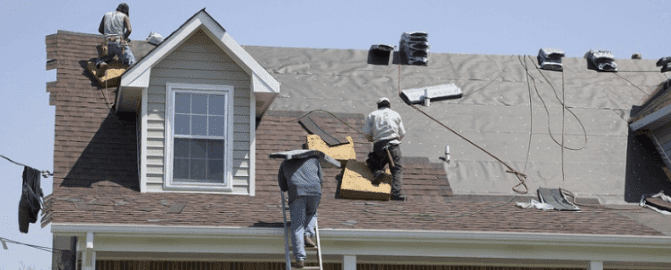
A full replacement removes the old roofing, repairs the deck as needed and installs new underlayment, flashing and surface; a full replacement is a project worth planning carefully. Homeowners planning to stay in the house for a long time often prefer one thorough job over many small ones; a well-planned replacement pays off over a long stretch of seasons.
When the Roof Is Not Shingles
On a metal roof, loose fasteners and failed seals can often be corrected without replacing the panels; matching the approach to the surface prevents wasted effort.
Planning a Roof Project Around the Calendar
A small leak is best handled right away, since water damage grows quietly inside walls and ceilings; a deliberate approach is possible when the roof is dry. Roofs that were stressed by summer heat show their weak points clearly by autumn; a calm schedule leads to calmer work.
Roof Decisions for Investment Properties
Owners of rental homes face the same repair-or-replace choice, often with less chance to see the roof themselves; good documentation makes distance irrelevant.
A Flashlight Tour of the Attic
Daylight pinpricks around vents and chimneys show gaps that rain can follow; attic findings help decide how deep the trouble goes. Mold or mildew on attic wood suggests long-term moisture or poor ventilation; a deck in good shape gives the owner more options.
Oaks, Pecans and the Roof Below
Wet leaf litter in valleys and behind chimneys holds moisture against the roof and encourages decay; a roof under trees needs a little extra attention.
Documenting the Roof Before You Decide
Save the dates of past repairs and any notes about materials used; written details are more reliable than memory.
Planning the Household Around the Work
Cars should be parked away from the house on work days so the crew has room for materials and debris; good communication matters as much as good workmanship.
Looks Matter Too
A home that will soon be sold may benefit from a roof that looks and performs well; looks and function work together on a good roof.
A Maintenance Mindset
Prompt attention to small issues keeps a repair a repair and not the start of a replacement; minor tasks prevent large surprises.
Temporary Fixes and Their Limits
Tarps need secure fastening, since a loose one in a spring wind can do more harm than good; protecting the interior comes first and the permanent plan second. Coatings can extend the life of some flat roofs, provided the surface beneath is sound; good roofers know where a patch ends and a repair begins.
Two Sets of Eyes
A second opinion is a reasonable step when a recommendation feels rushed or unclear; agreement between independent looks is reassuring.
Looking From the Ground Is Enough to Start
Roofs are slippery, hot and steep, and falls from them are a real hazard; a professional look can follow whatever the ground check suggests.
How to Get a Fair Recommendation
Ask how long a proposed repair is expected to hold and what would be the next sign of trouble; a recommendation backed by evidence is easy to trust.
Look closely, ask plainly and choose the path the evidence supports. Ask our crew about Storm Damage Roof Services anywhere in Navasota Texas; a clear look at the roof is the best first step.
Reach our office at 979-464-6655 to set up a visit; we will talk through repair and replacement together.