
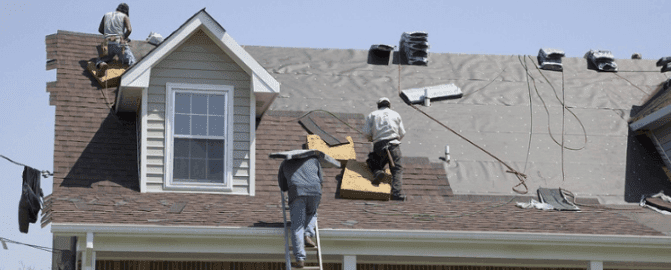
What Should Happen Next With Roof Repair Across Caldwell Texas?
College Station Roofers looks at what the roof is actually doing and lays out the choices in plain terms; honest advice is the starting point for any good plan.
Reach our office at 979-464-6655; tell us what you have noticed and when it started.
Repair or Replace: How the Choice Works
Almost every roof problem leads to the same fork in the road: fix the trouble spot or start over with a new surface; good decisions begin with good information. A repair makes sense when the damage is limited and the surrounding roof is sound; a replacement is the better choice when repairs would only chase the next failure.
What Shingles Are Telling You
Shingles that curl at the edges or cup in the middle are showing the effects of age and heat; the surface shows its age long before the leaks arrive. A musty smell in the attic points to moisture that has been collecting for some time; streaks can be cleaned, while leaks must be repaired.
Where the Trouble Usually Starts
Most leaks begin at roof details, not in the open field of the roof; a thorough roofer checks every one of them. A repair at one of these points can give a sound roof many more seasons of service; the roof does not have to be replaced because one part has failed.
Sun, Seasons and Wear Over Time
Long, hot summers in the Brazos Valley age asphalt shingles faster than milder climates would; an older roof in good shape can outlast a younger one that was poorly installed. Spending more and more on repairs for an old roof can add up to a poor decision; the trend matters as much as the latest leak.
First Steps When Weather Has Struck
Spring storms here bring hail, straight-line winds and falling limbs, and all three can damage a roof; damage can hide in places that are hard to see from the yard. If damage is limited to one slope or section, a targeted repair may be enough; the plan follows what was found, whatever the weather was.
When Only One Slope Needs Work
Sometimes the damage or wear is concentrated on one slope, and replacing just that section is a reasonable option; a slope can be replaced cleanly when the work is planned well. Matching is a practical question as well as a cosmetic one, since different products age at different rates; the owner should hear the tradeoffs before choosing.
What a Repair Involves
Careful roofers trace the path of water back to its entry point before making a fix; a good repair addresses the problem and does not simply hide it. After the work, a water test or a check after the next rain confirms that the leak is gone; confirmation closes the loop on a repair.
The Scope of a Full Roof Replacement
A replacement project usually takes a few days, and the crew works through a set sequence from tear-off to cleanup; the whole roof ages together after a replacement and not in pieces. The decision to replace is easier when the deck is sound and the roof has simply worn out; replacement is a big step, and it can be the right one.
Metal, Membrane and Tile Questions
Each roofing material has its own signs of age, and each has its own repair options; the logic of repair versus replacement holds, but the details differ.
When to Act and When to Wait
A small leak is best handled right away, since water damage grows quietly inside walls and ceilings; prompt action on active leaks saves a great deal of trouble. A roof checked before storm season gives the owner a chance to fix small things early; an early start avoids the rush.
Repair or Replace When You Are Away
Photographs, written findings and a clear scope let an owner decide without being on site; good documentation makes distance irrelevant.
The Attic Never Lies
Damp insulation, rusty nail tips and water trails on rafters mark places where moisture has been coming in; the extent of staining separates a local leak from a widespread one. Mold or mildew on attic wood suggests long-term moisture or poor ventilation; solid wood below makes a repair worthwhile.
Living Under Mature Trees
Wet leaf litter in valleys and behind chimneys holds moisture against the roof and encourages decay; a roof under trees needs a little extra attention.
Documenting the Roof Before You Decide
Write down when a leak appeared, where it showed up and what the weather was like; good notes make a short conversation far more productive.
What to Expect at Home Either Way
A crew that tells the household what to expect each morning makes the project easier to live with; disruption is temporary and the result lasts.
The Roof as Part of the House's Face
A home that will soon be sold may benefit from a roof that looks and performs well; the best roof looks right and works right.
Keeping Repairs Rare
Resealing a few lifted tabs and replacing a cracked vent boot are quick jobs that protect the whole roof; steady care is the simplest way to postpone a big project.
Holding the Line Until a Decision Is Made
Temporary patches stop active leaks so that insulation and ceilings are not soaked during a long decision; the final answer still depends on the condition of the roof. Lasting repairs rely on replacing the failed part, not covering it; the point of a repair is to stop thinking about it.
Getting a Second Look
Different roofers may weigh the same evidence in different ways, and that is a good reason to ask more than one; a roof deserves a thorough look.
Looking From the Ground Is Enough to Start
Checking from the ground and from the attic covers most of what an owner needs to notice; a professional look can follow whatever the ground check suggests.
Checking the Reasoning Behind a Recommendation
Ask what evidence on the roof supports the recommendation, and ask to see it; a good roofer welcomes the questions.
A roof tells its story through shingles, flashing, attic and ceilings, and a careful reader can follow it. Our team will help you weigh your options on Roof Repair near Caldwell Texas; a clear look at the roof is the best first step.
Dial 979-464-6655 and tell us about the trouble; our crew will climb up, inspect the roof and explain what they find.