
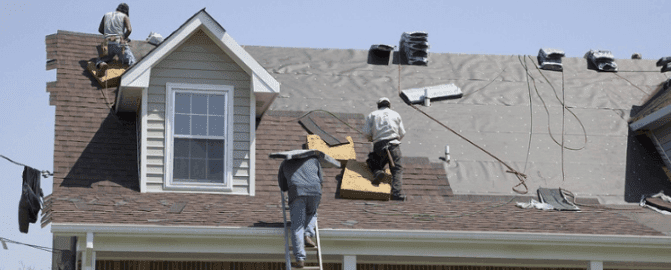
Is It Time to Decide About The Best Residential Roof in Bryan Texas?
College Station Roofers would rather say a roof can be saved than sell a replacement it does not need; a fair assessment starts with a careful look.
Call 979-464-6655; let us know where the trouble is and we will arrange a look.
Framing the Decision
Almost every roof problem leads to the same fork in the road: fix the trouble spot or start over with a new surface; the goal is a dry house, and either path can get there. The deciding factor is rarely a single spot, and almost always the overall condition of the roof; the condition of the whole roof is the key question.
Visible Clues From the Yard
Cracked, split or blistered shingles point to a surface that has been baked by many summers; widespread wear leans toward replacement. A musty smell in the attic points to moisture that has been collecting for some time; looking from inside and outside gives the full picture.
The Places Water Finds First
Most leaks begin at roof details, not in the open field of the roof; fixing the detail fixes the leak when the rest of the roof is healthy. If the leak is at a vent boot or a bit of flashing, a targeted fix is often the right answer; honest advice can mean recommending a small job.
Judging a Roof by Its Condition and Its Age
Intense sun dries out the asphalt in shingles, making them brittle and more likely to crack; an older roof in good shape can outlast a younger one that was poorly installed. Spending more and more on repairs for an old roof can add up to a poor decision; the trend matters as much as the latest leak.
Sorting Out Storm Damage
Spring storms here bring hail, straight-line winds and falling limbs, and all three can damage a roof; damage can hide in places that are hard to see from the yard. When hail has bruised most of the surface, replacement is often the more durable path; repair and replacement are each legitimate outcomes after a storm.
Replacing Part of a Roof
Sometimes the damage or wear is concentrated on one slope, and replacing just that section is a reasonable option; the choice depends on how much life the rest of the roof has left. Discontinued shingle lines can make an exact match impossible, which is worth knowing before work begins; a short conversation about appearance avoids disappointment later.
Fixing a Roof the Right Way
Water can travel along rafters and decking before it shows up inside, so the leak and the stain are often apart; patience with the search makes for a lasting repair. Roofing cement alone is a short-term fix, while proper flashing and sealed shingles are lasting ones; quality materials and methods make repairs last.
The Scope of a Full Roof Replacement
The roof is treated as a complete system, with every layer from deck to ridge made new; every detail can be addressed at once. Homeowners planning to stay in the house for a long time often prefer one thorough job over many small ones; a well-planned replacement pays off over a long stretch of seasons.
Flat, Metal and Specialty Roofs
Flat membrane roofs may be repaired at the seams or coated when the surface is still sound; a specialist is worth consulting for unusual roofs.
Choosing the Right Moment
Scheduling work outside the busiest storm weeks leaves more choices open; patience is fine for planning and not for water. Late summer and fall are popular for planned replacements, as the weather is steadier and calendars are friendlier; a calm schedule leads to calmer work.
Deciding From a Distance
Photographs, written findings and a clear scope let an owner decide without being on site; written options make the decision easier and the record cleaner.
What the Underside of a Roof Reveals
A sagging section of deck is a serious sign that wood has been wet for a long time; the underside of a roof is as honest as the top. If the damage is limited to one area, repair is a reasonable plan; wood condition is one of the strongest clues in the decision.
Living Under Mature Trees
Wet leaf litter in valleys and behind chimneys holds moisture against the roof and encourages decay; clearing debris is a simple chore that prevents bigger repairs.
Building a Clear Picture
Write down when a leak appeared, where it showed up and what the weather was like; good notes make a short conversation far more productive.
Planning the Household Around the Work
A crew that tells the household what to expect each morning makes the project easier to live with; disruption is temporary and the result lasts.
The Roof as Part of the House's Face
A roof covers a large share of what the street sees, so its condition shapes first impressions of a home; appearance is a fair part of the decision.
Small Habits That Stretch a Roof's Life
A yearly check by a roofer catches loose flashing, cracked boots and lifted shingles while they are small; a little attention each season goes a long way.
Holding the Line Until a Decision Is Made
Emergency protection is a first step and gives the owner room to think clearly; protecting the interior comes first and the permanent plan second. A temporary seal that keeps cracking is a sign that the area needs a proper repair or a larger plan; the point of a repair is to stop thinking about it.
Getting a Second Look
A second opinion is a reasonable step when a recommendation feels rushed or unclear; differences in findings are worth a follow-up question.
Binoculars Beat Ladders
Walking the yard after a storm shows shingle debris, fallen limbs and dents in gutters; safe observation gathers plenty of evidence.
Questions That Surface the Honest Answer
A fair roofer will explain what a repair would accomplish and what a replacement would accomplish; the best advisors explain more than they persuade.
A roof tells its story through shingles, flashing, attic and ceilings, and a careful reader can follow it. We are happy to talk through The Best Residential Roof for any home in Bryan Texas; no roof question is too small to ask.
Reach our office at 979-464-6655 to set up a visit; we will go over the evidence and lay out the options plainly.