
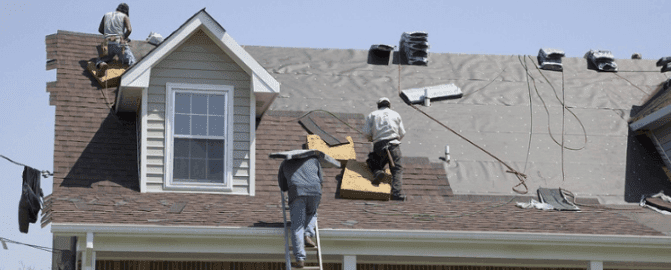
What Should Happen Next With Commercial Roof Services Across Bryan Texas?
College Station Roofers helps homeowners decide between patching a roof and putting a new one on; every recommendation should come with a reason.
Ring 979-464-6655; share the age of the roof if you know it and what has happened to it lately.
Repair or Replace: How the Choice Works
The choice between repair and replacement comes up at some point for every roof; neither path is automatically right. The right choice balances what is wrong, how much of the roof it affects and how much life remains; the condition of the whole roof is the key question.
Surface Signals Worth Noticing
Bare, shiny patches on a shingle mean the mineral surface has worn away; the pattern matters more than any one shingle. Daylight visible through the roof boards in the attic means the roof has an opening somewhere; clues inside the house show up before clues outside.
Flashing, Vents and Valley Metal
Valleys carry more water than any other part of a roof, so wear shows up there first; a good repair addresses the cause and not just the stain. A small detail failure on a young roof is a repair, not a reason to replace; a repair that lasts is better than a replacement that was never needed.
When a Roof Reaches the End
Every roof material has a typical working life, but local weather can shorten or extend it; an older roof in good shape can outlast a younger one that was poorly installed. Spending more and more on repairs for an old roof can add up to a poor decision; the aim is peace of mind and not a never-ending project.
After a Storm: Triage First, Decisions Second
Spring storms here bring hail, straight-line winds and falling limbs, and all three can damage a roof; a thorough check finds the damage that matters. Isolated wind damage can be repaired by replacing lifted or missing shingles and resealing the neighbors; repair and replacement are each legitimate outcomes after a storm.
Matching Old and New Sections
Additions, porch roofs and garage roofs are often replaced separately from the main roof; matching color and wear is the main challenge of a partial job. A partial job leaves the older sections to wear out on their own schedule; looks and durability are both part of the decision.
Fixing a Roof the Right Way
The repair itself may be as simple as replacing a vent boot or as involved as rebuilding a section of flashing; a fix at the wrong spot does not stop the leak. After the work, a water test or a check after the next rain confirms that the leak is gone; quality materials and methods make repairs last.
Inside a Roof Replacement
The roof is treated as a complete system, with every layer from deck to ridge made new; a full replacement is a project worth planning carefully. The decision to replace is easier when the deck is sound and the roof has simply worn out; replacement is a big step, and it can be the right one.
Different Surfaces, Different Answers
Flat membrane roofs may be repaired at the seams or coated when the surface is still sound; the logic of repair versus replacement holds, but the details differ.
Choosing the Right Moment
A roof that is only aging, with no active leaks, gives the owner time to plan; the right timing depends on whether water is getting in. Late summer and fall are popular for planned replacements, as the weather is steadier and calendars are friendlier; planning ahead turns a stressful decision into a manageable one.
Making the Call on a Property You Do Not Live In
Owners of rental homes face the same repair-or-replace choice, often with less chance to see the roof themselves; tenants and owners both appreciate clear communication.
A Flashlight Tour of the Attic
A sagging section of deck is a serious sign that wood has been wet for a long time; attic findings help decide how deep the trouble goes. Mold or mildew on attic wood suggests long-term moisture or poor ventilation; a deck in good shape gives the owner more options.
Nature's Contribution to Roof Wear
A heavy limb that falls in a storm can puncture shingles, crack the deck or bend flashing; a roof under trees needs a little extra attention.
Keeping Records of What You Find
Pictures of each slope from the yard make it easy to compare conditions over time; good notes make a short conversation far more productive.
Disruption in Proportion to the Job
A repair is usually a short visit with limited noise and little disruption to daily routines; a few preparations make the job smoother for everyone.
Looks Matter Too
Patches in a different shade can stand out against an older roof, which matters to some owners more than others; a roofer can show samples to help picture the result.
Routine Care Between Decisions
Prompt attention to small issues keeps a repair a repair and not the start of a replacement; minor tasks prevent large surprises.
Temporary Fixes and Their Limits
A tarp, properly fastened, can keep a house dry for days or weeks while the next step is planned; time bought by a good stopgap is worth using wisely. A temporary seal that keeps cracking is a sign that the area needs a proper repair or a larger plan; the point of a repair is to stop thinking about it.
Getting a Second Look
Different roofers may weigh the same evidence in different ways, and that is a good reason to ask more than one; seeking another view is a sign of care and not of distrust.
Looking From the Ground Is Enough to Start
A roofer has the equipment and the training to move safely on a roof that a homeowner should not climb; leave the climbing to the people with the harnesses.
Making the Decision With Confidence
Ask how long a proposed repair is expected to hold and what would be the next sign of trouble; a recommendation backed by evidence is easy to trust.
Whether the roof needs a patch or a new start, the best decision is the one based on what the roof is actually showing. Ask our crew about Commercial Roof Services anywhere in Bryan Texas; a clear look at the roof is the best first step.
Call 979-464-6655 to talk through what you have noticed; a person will answer and help you take the next step.