
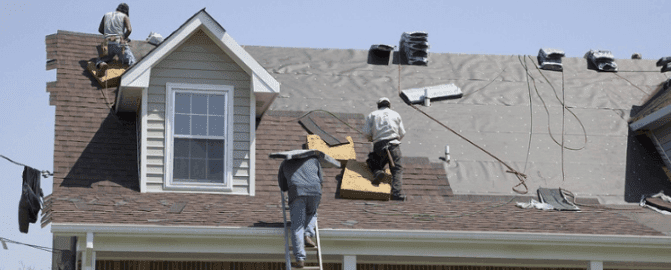
Mend It or Start Fresh With Experienced Commercial Roof Near Services?
College Station Roofers helps homeowners decide between patching a roof and putting a new one on; the right answer depends on the roof and not on a script.
Phone 979-464-6655; share the age of the roof if you know it and what has happened to it lately.
Framing the Decision
Homeowners facing a damaged roof are really choosing between a targeted repair and a full replacement; a clear picture of the roof makes the choice much simpler. A repair makes sense when the damage is limited and the surrounding roof is sound; a clear-eyed look at the roof prevents both overspending and underspending.
What Shingles Are Telling You
Bare, shiny patches on a shingle mean the mineral surface has worn away; curling across a whole slope points to age more than to a single bad shingle. Stains on the ceiling inside the house are the first sign for many homeowners that water has found a way in; a flashlight and ten minutes can say more than a guess from the yard.
Where the Trouble Usually Starts
Most leaks begin at roof details, not in the open field of the roof; repairing these spots can protect a roof that is otherwise sound. If the leak is at a vent boot or a bit of flashing, a targeted fix is often the right answer; the roof does not have to be replaced because one part has failed.
How Old Is Too Old?
Every roof material has a typical working life, but local weather can shorten or extend it; an older roof in good shape can outlast a younger one that was poorly installed. If a repair would last only a season or two, replacement may be the more sensible plan; the aim is peace of mind and not a never-ending project.
First Steps When Weather Has Struck
A tarp over an open section buys time and prevents interior damage while decisions are made; a calm look at the evidence prevents rushed decisions. The extent of the damage, and not the headline of the storm, guides the choice; a documented inspection helps everyone make a sound decision.
Middle Paths Between Patch and Full Replacement
A section replaced on its own has to be tied in carefully to the older roof around it; the choice depends on how much life the rest of the roof has left. Matching is a practical question as well as a cosmetic one, since different products age at different rates; a short conversation about appearance avoids disappointment later.
Inside a Typical Roof Repair
Careful roofers trace the path of water back to its entry point before making a fix; a fix at the wrong spot does not stop the leak. Roofing cement alone is a short-term fix, while proper flashing and sealed shingles are lasting ones; shortcuts show up again in the next storm.
Starting Over With a New Roof
Replacing the whole surface resets the clock on the roof and puts the house on firm footing for the next stretch; the whole roof ages together after a replacement and not in pieces. A roof that has failed in many places is a roof that has finished its work; a well-planned replacement pays off over a long stretch of seasons.
When the Roof Is Not Shingles
Each roofing material has its own signs of age, and each has its own repair options; a roofer familiar with the material gives the best guidance.
When to Act and When to Wait
A roof that is only aging, with no active leaks, gives the owner time to plan; prompt action on active leaks saves a great deal of trouble. A roof checked before storm season gives the owner a chance to fix small things early; planning ahead turns a stressful decision into a manageable one.
Repair or Replace When You Are Away
Remote owners benefit from a roofer who documents the roof carefully and reports plainly; good documentation makes distance irrelevant.
A Flashlight Tour of the Attic
On a dry day, a flashlight in the attic can show dark stains on the underside of the roof deck; a quick look from inside saves guesswork outside. If the damage is limited to one area, repair is a reasonable plan; a deck in good shape gives the owner more options.
Oaks, Pecans and the Roof Below
A heavy limb that falls in a storm can puncture shingles, crack the deck or bend flashing; clearing debris is a simple chore that prevents bigger repairs.
Documenting the Roof Before You Decide
Save the dates of past repairs and any notes about materials used; a small file of information can save a long discussion.
Noise, Dust and Daily Routines
Families with pets, infants or night-shift workers can plan quiet spaces for the noisy hours; a few preparations make the job smoother for everyone.
Looks Matter Too
Buyers and inspectors both look closely at roofs, and visible problems raise questions; a roofer can show samples to help picture the result.
A Maintenance Mindset
Resealing a few lifted tabs and replacing a cracked vent boot are quick jobs that protect the whole roof; a roof that is looked after tends to last.
Tarps, Patches and Stopgaps
A stopgap repair is meant to protect the house, not to stand in for a lasting solution; time bought by a good stopgap is worth using wisely. Roofing cement slathered on a failing spot can hide a problem rather than solve it; good roofers know where a patch ends and a repair begins.
Getting a Second Look
When two roofers reach the same conclusion on their own, the owner can feel confident in the plan; a careful roofer will not mind being checked.
Staying Safe While You Check Your Roof
A homeowner can learn a lot from the ground, using binoculars to look at ridges, valleys and flashing; leave the climbing to the people with the harnesses.
Asking for Both Options
A trustworthy assessment names what is known, what is uncertain and what would change the advice; a good roofer welcomes the questions.
Repair and replacement are both good answers when they match the facts on the roof. Our team will help you weigh your options on Experienced Commercial Roof near Services; good decisions start with good information.
Dial 979-464-6655 and tell us about the trouble; our team will listen first and then arrange a careful look at the roof.