
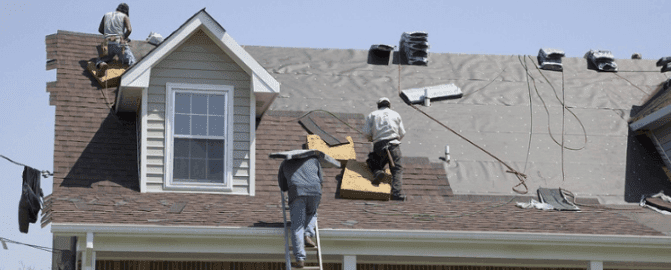
What Should Happen Next With Residential Roof Repair Across College Station Texas?
College Station Roofers helps homeowners decide between patching a roof and putting a new one on; a fair assessment starts with a careful look.
Ring 979-464-6655; describe the stains, leaks or missing shingles that worried you.
Framing the Decision
The choice between repair and replacement comes up at some point for every roof; neither path is automatically right. The deciding factor is rarely a single spot, and almost always the overall condition of the roof; a clear-eyed look at the roof prevents both overspending and underspending.
What Shingles Are Telling You
Cracked, split or blistered shingles point to a surface that has been baked by many summers; curling across a whole slope points to age more than to a single bad shingle. A musty smell in the attic points to moisture that has been collecting for some time; streaks can be cleaned, while leaks must be repaired.
Where the Trouble Usually Starts
Most leaks begin at roof details, not in the open field of the roof; a thorough roofer checks every one of them. A repair at one of these points can give a sound roof many more seasons of service; matching the fix to the cause is what a good roofer does.
Sun, Seasons and Wear Over Time
A roof that has simply worked for a long time may be near the end of its service whatever the repairs show; an older roof in good shape can outlast a younger one that was poorly installed. Spending more and more on repairs for an old roof can add up to a poor decision; the aim is peace of mind and not a never-ending project.
After a Storm: Triage First, Decisions Second
After severe weather, the first step is to protect the house from further water, not to decide on a final plan; stopping the water comes before settling the plan. Isolated wind damage can be repaired by replacing lifted or missing shingles and resealing the neighbors; a documented inspection helps everyone make a sound decision.
When Only One Slope Needs Work
The south and west slopes take the most sun, so they often wear out before the north and east slopes do; the choice depends on how much life the rest of the roof has left. Matching is a practical question as well as a cosmetic one, since different products age at different rates; the owner should hear the tradeoffs before choosing.
How Small Jobs Get Done Right
The repair itself may be as simple as replacing a vent boot or as involved as rebuilding a section of flashing; a fix at the wrong spot does not stop the leak. Repairs should be photographed so the homeowner can see what was found and what was done; a repair is only worth doing if it holds.
What a Replacement Involves
A replacement is the chance to correct ventilation, upgrade flashing and fix problems hidden under the old roof; a full replacement is a project worth planning carefully. A roof that has failed in many places is a roof that has finished its work; replacement is a big step, and it can be the right one.
Flat, Metal and Specialty Roofs
Flat membrane roofs may be repaired at the seams or coated when the surface is still sound; a roofer familiar with the material gives the best guidance.
Planning a Roof Project Around the Calendar
Scheduling work outside the busiest storm weeks leaves more choices open; prompt action on active leaks saves a great deal of trouble. Roofs that were stressed by summer heat show their weak points clearly by autumn; a calm schedule leads to calmer work.
Rentals, Landlords and Remote Ownership
Owners of rental homes face the same repair-or-replace choice, often with less chance to see the roof themselves; clear communication prevents misunderstandings across miles.
The Attic Never Lies
Daylight pinpricks around vents and chimneys show gaps that rain can follow; the underside of a roof is as honest as the top. A deck that feels spongy underfoot has lost strength and will need replacing in that area; a deck in good shape gives the owner more options.
Living Under Mature Trees
A heavy limb that falls in a storm can puncture shingles, crack the deck or bend flashing; shade and moisture are slow but steady causes of wear.
Keeping Records of What You Find
Take photographs of stains, missing shingles and damaged flashing, along with the date; good notes make a short conversation far more productive.
Noise, Dust and Daily Routines
A crew that tells the household what to expect each morning makes the project easier to live with; good communication matters as much as good workmanship.
How the Roof Looks From the Street
A fresh roof can change the whole look of a house, from color to texture to the sharpness of the lines; appearance is a fair part of the decision.
Maintenance That Buys Time
Trimming trees, removing debris and cleaning off moss slow the wear on a roof; a little attention each season goes a long way.
Holding the Line Until a Decision Is Made
Temporary patches stop active leaks so that insulation and ceilings are not soaked during a long decision; the final answer still depends on the condition of the roof. Lasting repairs rely on replacing the failed part, not covering it; the point of a repair is to stop thinking about it.
Getting a Second Look
A second visit can confirm a diagnosis or point to something the first look missed; differences in findings are worth a follow-up question.
Staying Safe While You Check Your Roof
Checking from the ground and from the attic covers most of what an owner needs to notice; safe observation gathers plenty of evidence.
Checking the Reasoning Behind a Recommendation
Ask what evidence on the roof supports the recommendation, and ask to see it; honest answers come easily to those who have looked closely.
The goal is the same either way: a dry, sound house for the seasons ahead. Our team will help you weigh your options on Residential Roof Repair near College Station Texas; a short conversation can settle a lot of uncertainty.
Dial 979-464-6655 and tell us about the trouble; a person will answer and help you take the next step.