
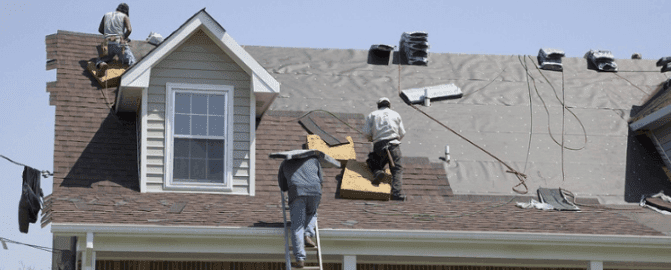
Patch or Replace for Emergency Roof Services in Navasota Texas?
College Station Roofers looks at what the roof is actually doing and lays out the choices in plain terms; the right answer depends on the roof and not on a script.
Call 979-464-6655; tell us what you have noticed and when it started.
Framing the Decision
Whenever a roof shows trouble, there are two honest paths: repair what is wrong or replace the whole surface; good decisions begin with good information. Patching a limited problem can extend a healthy roof, while patching a failing roof only delays the inevitable; the condition of the whole roof is the key question.
Reading the Signs on the Surface
Shingles that are missing, lifted or lying in the yard are an obvious sign that something has let go; widespread wear leans toward replacement. Daylight visible through the roof boards in the attic means the roof has an opening somewhere; a quick walk through the attic reveals much about the roof above.
Weak Spots That Cause Most Leaks
Most leaks begin at roof details, not in the open field of the roof; fixing the detail fixes the leak when the rest of the roof is healthy. A repair at one of these points can give a sound roof many more seasons of service; honest advice can mean recommending a small job.
Judging a Roof by Its Condition and Its Age
Intense sun dries out the asphalt in shingles, making them brittle and more likely to crack; an older roof in good shape can outlast a younger one that was poorly installed. A roof that needs patching again and again is telling the owner something; patching an aging roof is a bit like patching a worn tire.
After a Storm: Triage First, Decisions Second
A tarp over an open section buys time and prevents interior damage while decisions are made; stopping the water comes before settling the plan. If damage is limited to one slope or section, a targeted repair may be enough; the plan follows what was found, whatever the weather was.
Replacing Part of a Roof
Additions, porch roofs and garage roofs are often replaced separately from the main roof; matching color and wear is the main challenge of a partial job. Matching is a practical question as well as a cosmetic one, since different products age at different rates; a sample on the roof beats a description.
The Anatomy of a Good Repair
Water can travel along rafters and decking before it shows up inside, so the leak and the stain are often apart; a good repair addresses the problem and does not simply hide it. After the work, a water test or a check after the next rain confirms that the leak is gone; shortcuts show up again in the next storm.
The Scope of a Full Roof Replacement
A replacement is the chance to correct ventilation, upgrade flashing and fix problems hidden under the old roof; the whole roof ages together after a replacement and not in pieces. A roof that has failed in many places is a roof that has finished its work; replacement is a big step, and it can be the right one.
Repair Versus Replace on Other Materials
Each roofing material has its own signs of age, and each has its own repair options; a specialist is worth consulting for unusual roofs.
Choosing the Right Moment
Waiting on a known problem lets moisture spread to insulation, drywall and framing; the right timing depends on whether water is getting in. A roof checked before storm season gives the owner a chance to fix small things early; an early start avoids the rush.
Repair or Replace When You Are Away
A landlord weighing a repair against a replacement can ask for both options in writing, with the reasons; good documentation makes distance irrelevant.
Clues From the Attic
A sagging section of deck is a serious sign that wood has been wet for a long time; a quick look from inside saves guesswork outside. Widespread staining across many sections suggests that the whole roof has been letting water through; solid wood below makes a repair worthwhile.
Leaf Litter and Limb Damage
A heavy limb that falls in a storm can puncture shingles, crack the deck or bend flashing; clearing debris is a simple chore that prevents bigger repairs.
Documenting the Roof Before You Decide
Write down when a leak appeared, where it showed up and what the weather was like; good notes make a short conversation far more productive.
Disruption in Proportion to the Job
A repair is usually a short visit with limited noise and little disruption to daily routines; good communication matters as much as good workmanship.
Appearance, Resale and Curb Appeal
A home that will soon be sold may benefit from a roof that looks and performs well; looks and function work together on a good roof.
Routine Care Between Decisions
Trimming trees, removing debris and cleaning off moss slow the wear on a roof; maintenance is the quiet way to get the most from a roof.
Temporary Fixes and Their Limits
Temporary patches stop active leaks so that insulation and ceilings are not soaked during a long decision; protecting the interior comes first and the permanent plan second. Sealant smeared over a crack may stop a drip for a week, but it rarely lasts through a hot summer; a lasting fix addresses the cause and not just the symptom.
Seeking Another Perspective on the Roof
Ask each roofer to show the evidence behind the recommendation and compare what each one found; seeking another view is a sign of care and not of distrust.
Looking From the Ground Is Enough to Start
A roofer has the equipment and the training to move safely on a roof that a homeowner should not climb; safe observation gathers plenty of evidence.
Making the Decision With Confidence
Ask how long a proposed repair is expected to hold and what would be the next sign of trouble; honest answers come easily to those who have looked closely.
The goal is the same either way: a dry, sound house for the seasons ahead. Our office welcomes questions about Emergency Roof Services from property owners across Navasota Texas; a short conversation can settle a lot of uncertainty.
Ring 979-464-6655 when you are ready to decide; we will go over the evidence and lay out the options plainly.